Translate

Thursday, December 10, 2020

Christian Leadership: Tensions within the Soul


Adopted from Strengthening the Soul of Your Leadership by Ruth Barton, p.27.

With reflection on the seven tensions within my soul:

“There is the tension between what the human soul needs in order to be truly well and what life in leadership encourages and even requires.”

This resonates with some Chinese sayings, 人在江湖 身不由己,在朝不如在野. 

“There is the tension between the time it takes to love people and the need for expediency.”

It’s especially true with a relational leader because things that touch the soul is slow.

“There is the tension between knowing how to “work the system” and entering into trustworthy relationships characterized by trust and a commitment to one another’s well being.”

In ministry, we are called to love people nor programs. When the soul values people first, programs will come.

“There is the tension between the need for an easy discipleship process through which we can efficiently herd lots of people and the patient, plodding and ultimately mysterious nature of the spiritual transformation process.”

Jesus’s way of discipleship is counterintuitive, high efforts, time consuming, sacrificial, costly, intimate. Yet, true disciples rejoice in the plodding. 

“There is the tension between the need for measurable goals and the difficulty of measuring that which is ultimately immeasurable by anyone but God himself.” 

This one is hard to say if you’re a hired pastor, you’re expected and wanted to do both. That’s the tension. 

“There is the tensions between the organizational hierarchy where all the power dynamics this creates and the mutuality and interdependence of life in community to which we as Christians are called.”

I like the analogy that human body is organic with many organisms, so does the body of Christ. One cannot live without the other. It’s a good in-tension (intention).


Tuesday, December 8, 2020

Reflecting The Contemplative Pastor

It is delightful to have conversation with different pastors on our sabbath day sharing about the art of pastoring.

Two thoughts resonated with me when I woke up this morning: contemplative and subversive. Only a contemplative pastor can inspire another pastor to be contemplative, so as only a subversive pastor can pray and live alongside the congregation subversively. 

Contemplation helps me to see that God is present and active in any given person, situation, or problem. “My job is not to solve people’s problem or make them happy, but to help them see grace operating in their lives” (3; emphasis added). Being a contemplative pastor set me free from being too rigorous or relaxing, and becoming more relying on his grace. It opens my eyes to see God’s works in my life and ministry. It allows me to receive Christ’s costly grace and letting it does its work to transform me into his likeness. 

Being a subversive pastor is to live with people at church and community with an open-eyes prayer. This subversive spirituality creates a mentality to “take on the coloration of the culture” while committing to Christ by “working quietly, hiddenly, and patiently” and “planting suspicion that there is something beyond what the culture says is final” (11). Pastor always thinks in terms of people, place and relationship, rather than program and planning. Instead of setting borders and boundary in ministry, a praying pastor immersed in the parish and the surrounding community. In this earthly locality, praying pastors alongside praying Christians subvert the secular cultures with sacrificial love, justice (faith), and hope. A subversive spirituality that is scriptural and prayerful are nothing fleshy but central to our family life, go to work, and worship as a church body. Slowly but surely, “your will be done on earth as it is in heaven”. 

These two pages speak into my prayer life as a pastor with the church. God reminds me that even in revival prayer, what all we can do is to receive grace and participate in the presence of Christ contemplatively and subversively.


Saturday, December 5, 2020

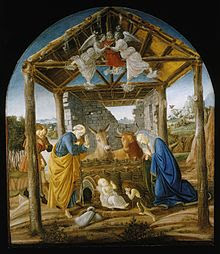
「道成肉身」之地點

無處降生的耶穌卻住在人心 (路加福音2:7)

伯利恆猶大小城迎接新生王 (彌迦書5:2)

羊羣高臺山脈都歸權柄與你 (彌迦書4:8)

噢洞穴以得臺帳棚中的馬槽 (創世記35:21)